
If you’re a public company, and you want to sell stock, you have to tell the public certain things.
You have to say what you do, how much you make, if you owe the Brazilian government $600 million, and what might eventually kill your company.
You have to do this in a very specific way.
Using the right fonts, the right headings, the right disclaimers. And then you have to upload it to the SEC’s giant online filing cabinet, called EDGAR.
EDGAR is a wonderful name because it sounds like a person. It’s not. It’s a website that looks like it was designed by a government agency in 1998, because it was. Every filing ever made lives there, waiting patiently to be read by someone. Anyone.
The beauty of EDGAR is that everything’s there. The curse of EDGAR is that everything’s there.
Maybe these filings were never meant to be read by everyone? But they were meant, at least, to be read by someone. Analysts, institutions, journalists, hedge funds, people who get paid to read things?
The rest of us just benefit from the idea that Those People™ exist.
Here’s the problem. This isn’t tap water, where you expect the city to test for lead. This is the financial market where others will gladly take your slightly misinvested money.
What retail investors actually do before they trade
A new study just tracked what retail investors actually do before trading. What websites they visit, what they click, how long they research, what they read.
The answer was: not much, not for long, and definitely not the filings.
The median investor spent six minutes researching a stock before trading it. Not six minutes in the 10-K, six minutes total.
And what were they doing in those six minutes? The study found most of that time was looking at price charts. Most of that happens immediately before the trade; like glancing at instructions mid-assembly.
The rest was spent reading a Yahoo Finance summary, maybe glancing at an analyst rating, or a Reddit post that said “To the moon.” Almost none of them—0.002% to be exact—actually opened a filing.
But surely, institutions read filings?
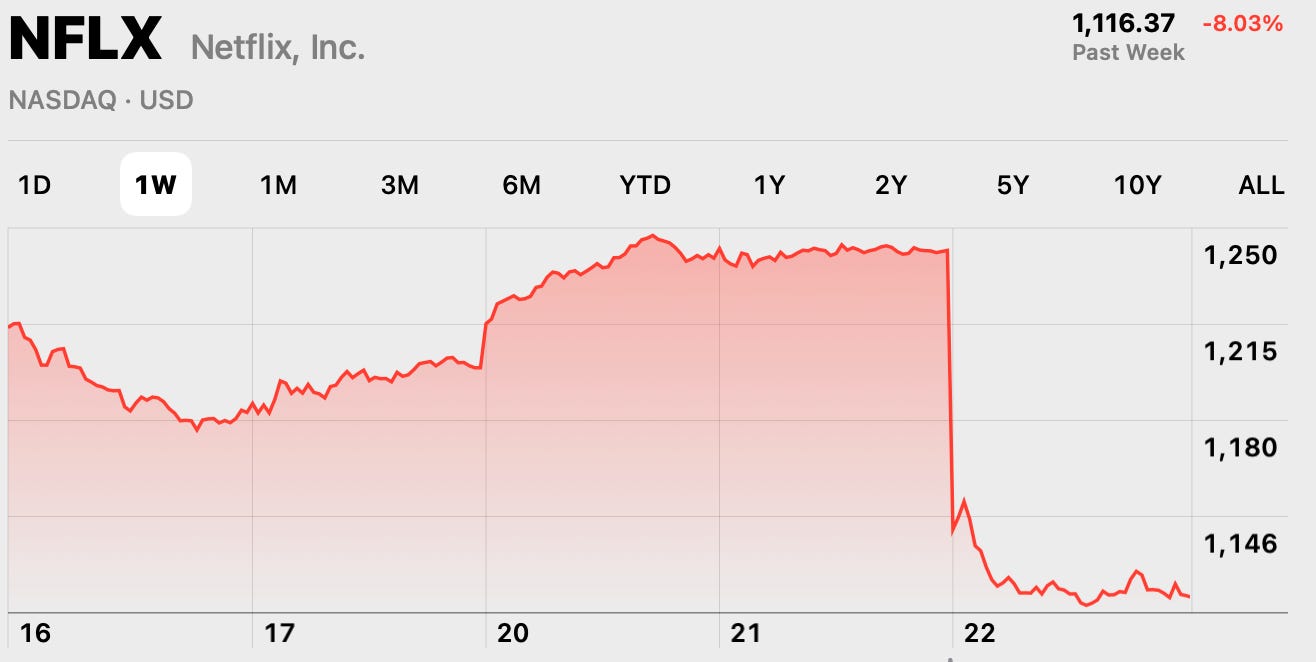
On October 22, 2025, Netflix announced earnings. Its share price dropped because the company reported a $619 million tax bill in Brazil.
Here’s the thing: this wasn’t some buried secret. In June—four months prior—Netflix told everyone about the Brazil tax issue:
…the Company is involved …with [the] Brazilian tax authorities regarding…tax assessments…The…exposure…is estimated to be approximately $600 million, and is expected to increase over time. (July 18, 2025)
It was right there, in plain English, for anyone to see.
But when the expense showed up, everyone acted surprised, the headlines said “unexpected,” and the stock fell. This tells you something important: it’s not just retail investors who don’t read the filings. Maybe…nobody does?
If you are a regulator, this is interesting. The whole theory of efficient markets depends on the idea that investors read the filings.
And technically, they can. They just don’t.
If you are a securities lawyer, this is….kind of funny? It shows your clients’ footnotes are invisible, which is good for them, but also that you spend your weekends producing, um, unread documents.
In the end, there’s always someone who read the filings; that’s who’s selling Netflix to you.
So, if you don’t read filings, the system works—just not for you.